Course Description
Modern industrial activities - which MIT engineers and scientists play a major role in - have significant environmental and social impacts. Trends towards further industrialization and globalization portend major challenges for society to manage the adverse impacts of our urban and industrial activities. How serious …
Modern industrial activities - which MIT engineers and scientists play a major role in - have significant environmental and social impacts. Trends towards further industrialization and globalization portend major challenges for society to manage the adverse impacts of our urban and industrial activities. How serious are current environmental and social problems? Why should we care about them? How are governments, corporations, activists, and ordinary citizens responding to these problems.
This course examines environmental and social impacts of industrial society and policy responses. We will explore current trends in industrialization, urbanization, and globalization, analyze the impacts these trends have on human health, environmental sustainability, and equity, and then examine a range of policy options available for responding to current problems. The course will present key trends in both domestic and international contexts.
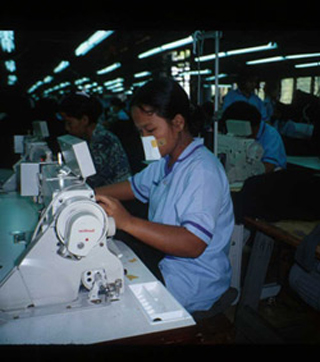
We will examine four policy problems in particular during the course: (1) regulating industrial pollution; (2) regulating “sweatshops” and the broader impacts of globalization; (3) protecting ecosystems; and (4) protecting urban environments during development. We delve into specific cases of these challenges, including: chemical safety and toxins; computers, e-commerce, and the environment; biotech and society; sweatshops; and food production and consumption. Through these cases, we will explore underlying processes and drivers of environmental degradation. Finally, we will analyze opportunities and barriers to policy responses taken by governments, international institutions, corporations, non-governmental organizations, consumers, and impacted communities.
Objectives and Aims
- An understanding of the complexity of environmental and social impacts of industry;
- An ability to critically analyze policy responses;
- An understanding of the roles of different actors and institutions in environmental and social controversies;
- Means to evaluate institutional barriers to environmental and social policies;
- New ideas for better integrating industry, environment, and equity;
- New strategies for regulation in the global economy;
- An understanding about personal responsibilities and roles in environmental and social problems.
Course Info
Learning Resource Types